Composting at home is a fantastic way to reduce waste and create nutrient-rich soil for your garden. Whether you have a backyard, a balcony, or even just a small kitchen space, composting can be adapted to fit your lifestyle. If you’re new to composting, this guide will walk you through easy tips to get started and maintain a healthy compost pile.
What is Composting?
Composting is the natural process of recycling organic material, such as food scraps and yard waste, into a dark, rich soil amendment called compost. This compost helps plants grow by improving soil structure, moisture retention, and providing essential nutrients.
Why Compost at Home?
– Reduces the amount of waste sent to landfills
– Decreases greenhouse gas emissions
– Saves money by reducing the need to buy soil amendments or fertilizers
– Enhances the health of your garden or potted plants
– Encourages sustainable living habits
Getting Started: Essential Composting Tips for Beginners
1. Choose the Right Composting Method
There are several methods suitable for home composting:
– Traditional Compost Bin: Ideal for backyards, these bins contain the materials and keep the compost tidy.
– Compost Tumbler: A sealed container that can be rotated to speed up decomposition.
– Vermicomposting: Using worms to break down organic matter, perfect for indoor composting.
– Bokashi Composting: A fermentation process that works well indoors and for all food waste including meat.
Select the method that best fits your space and lifestyle.
2. Know What to Compost
Understanding which materials to add is key:
Greens (Nitrogen-rich materials):
– Fruit and vegetable scraps
– Coffee grounds and tea bags
– Fresh grass clippings
– Plant trimmings
Browns (Carbon-rich materials):
– Dry leaves
– Straw or hay
– Shredded paper or cardboard
– Small branches or twigs
Avoid composting meat, dairy, oily foods, and pet waste as they can attract pests and cause odors.
3. Balance Greens and Browns
A good compost pile has a mix of greens and browns, usually about 2-3 parts browns to 1 part greens. This balance helps microbes break down organic matter efficiently without creating bad smells.
4. Prepare Materials Before Adding
– Chop or shred larger items to speed decomposition
– Dry out wet food scraps before adding if possible
– Avoid adding too many citrus or onion scraps as they can slow the process
5. Maintain Your Compost Pile
– Turn regularly: Mixing the compost every 1-2 weeks aerates it and prevents odor.
– Keep moist but not soggy: Compost should feel like a wrung-out sponge.
– Monitor temperature: A healthy compost pile heats up as materials break down. A warm pile means active decomposition.
6. Be Patient
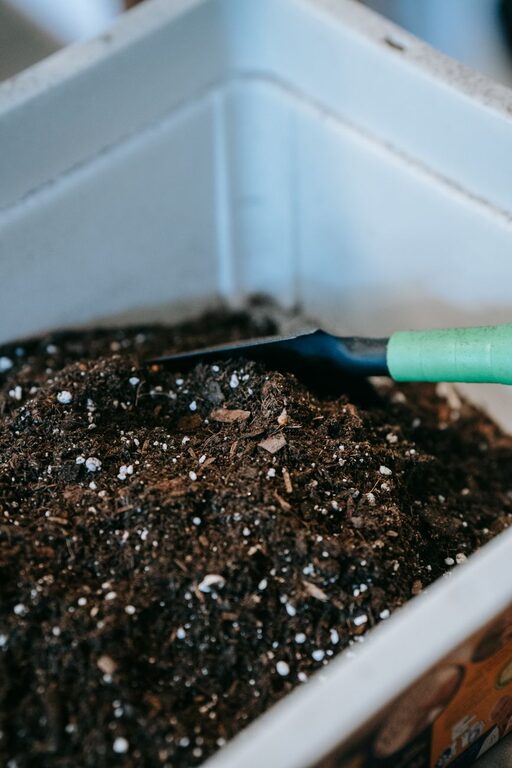
Composting is a gradual process. Depending on conditions, it can take from 2 months to a year to produce finished compost. The end product should be dark, crumbly, and smell earthy.
Troubleshooting Common Composting Issues
| Problem | Cause | Solution |
|——————|—————————-|——————————————-|
| Foul odor | Too many greens or wet | Add more browns and turn pile |
| Compost too dry | Not enough moisture | Add water gradually and turn pile |
| Slow decomposition| Lack of air or balance | Turn pile and add both greens and browns |
| Presence of pests | Meat, dairy, or improper lid | Avoid banned items and secure lid |
Tips for Small Space or Indoor Composting
– Use worm bins (vermicomposting) under the sink or on a balcony
– Consider a countertop compost bin for collecting scraps daily
– Bokashi bins are odorless and can handle all kitchen scraps
– Regularly empty indoor bins into outdoor compost or worm bins
Using Your Finished Compost
Once your compost is ready, use it to:
– Enrich garden beds or flower pots
– Mix into potting soil for houseplants
– Top-dress lawns or vegetable gardens
– Make a compost tea by soaking in water for a liquid fertilizer
Final Thoughts
Starting composting at home might seem overwhelming at first, but by following these beginner tips, you’ll find it is both manageable and rewarding. The key is to start small, be consistent, and enjoy the process of turning waste into something valuable for your garden. Happy composting!
About the Author