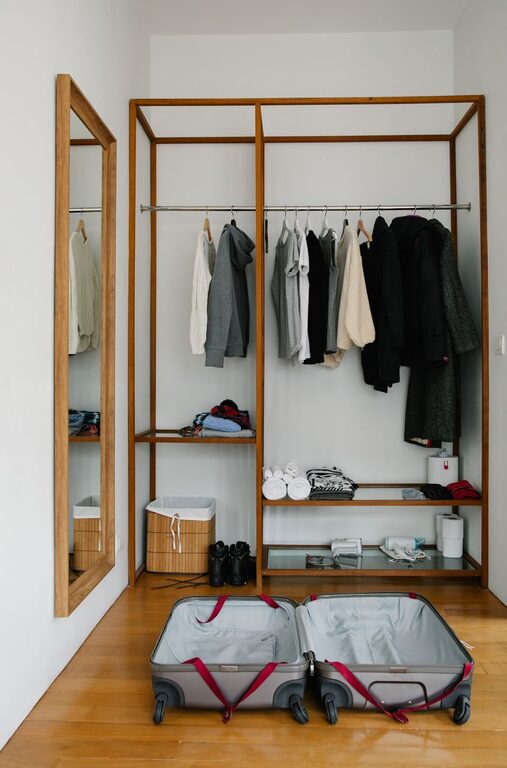
Storing seasonal clothes efficiently is essential for maintaining an organized and clutter-free closet. When the seasons change, it’s common to switch out wardrobes, but without proper storage methods, clothes can become wrinkled, damaged, or take up unnecessary space. Whether you’re packing away winter coats or storing summer dresses, the right approach can protect your garments and make them easy to access when needed again.
In this post, we’ll explore practical and easy-to-follow tips for storing seasonal clothes efficiently at home.
Why Proper Seasonal Clothing Storage Matters
Before jumping into storage techniques, it’s helpful to understand why good storage matters:
– Protects your clothes from damage, dust, and pests.
– Maximizes space by keeping only what you need at hand.
– Makes seasonal transitions easier when clothes are sorted and ready.
– Extends the life of your garments by preventing wrinkles and fabric wear.
Now, let’s look at how to prepare and store clothes effectively.
Step 1: Sort and Declutter Your Clothes
Start by going through your current seasonal wardrobe. Ask yourself:
– Have I worn this in the last season?
– Does it still fit and suit my style?
– Is it in good condition?
Decluttering helps reduce clutter and only keeps clothes you actually want to use. Donate or recycle items you no longer need.
Step 2: Clean Clothes Before Storage
Always clean your clothes before storing them. Dirt, oils, and stains can attract pests or set permanently if stored untreated.
– Wash or dry clean garments according to their care labels.
– Make sure clothes are completely dry to prevent mildew.
– Consider spot-treating any stubborn stains before packing.
Step 3: Choose the Right Storage Containers
Selecting the proper containers preserves your clothes and keeps them organized.
Options include:
– Plastic bins with lids: Ideal for protection against dust and pests. Clear ones help you identify contents quickly.
– Vacuum storage bags: Great for saving space, especially bulky items like coats or sweaters. Just remember not to store delicate fabrics this way long-term.
– Fabric garment bags: Suitable for hanging items like dresses or suits to prevent wrinkles.
– Storage boxes with dividers: Help organize smaller items like scarves, hats, or gloves.
Avoid cardboard boxes for long-term storage, as they can attract insects and absorb moisture.
Step 4: Organize Clothes by Type and Frequency
Grouping clothes by type can make retrieval easier:
– Keep heavier items such as coats and sweaters together.
– Store lightweight clothes like t-shirts and shorts separately.
– Consider how often you might need the items and keep more frequently used ones in accessible spots.
Labeling storage containers helps you find things without opening every box.
Step 5: Use Proper Folding and Hanging Techniques
How you fold or hang clothes impacts their condition:
– Fold knitwear and sweaters to avoid stretching.
– Use padded hangers for delicate or heavy garments like coats and dresses.
– Roll softer fabrics to reduce wrinkles and save space.
– Avoid overcrowding in garment bags or closets to allow proper airflow.
Step 6: Store Seasonal Clothes in the Right Environment
Location matters for preserving your clothes:
– Choose a cool, dry place away from direct sunlight to prevent fading.
– Avoid damp areas like basements unless they are well-controlled for humidity.
– Keep clothes off the floor to protect from dust and potential water damage.
Consider adding silica gel packets or cedar blocks inside storage containers to reduce moisture and deter moths.
Step 7: Plan for Easy Access and Rotation
Even when clothes are in storage, you may want occasional access:
– Avoid stacking containers too high or deep.
– Keep seasonal clothes for the upcoming season in the most accessible spots.
– Rotate stored items every few months if possible to keep fabrics fresh.
Bonus Tips for Seasonal Storage
– Use scent sachets: Lavender or cedar sachets add a pleasant smell and repel insects.
– Check stored clothes periodically: Inspect for any signs of damage or moisture.
– Label with dates: Knowing when clothes were packed can help manage rotation.
– Create a seasonal wardrobe capsule: Selecting a smaller set of versatile pieces makes storing easier.
—
Final Thoughts
Efficiently storing seasonal clothes is all about preparation, choosing the right storage options, and maintaining a clean, organized system. By following these tips, you’ll keep your wardrobe neat, protect your clothes, and make seasonal changes hassle-free. Happy organizing!
About the Author