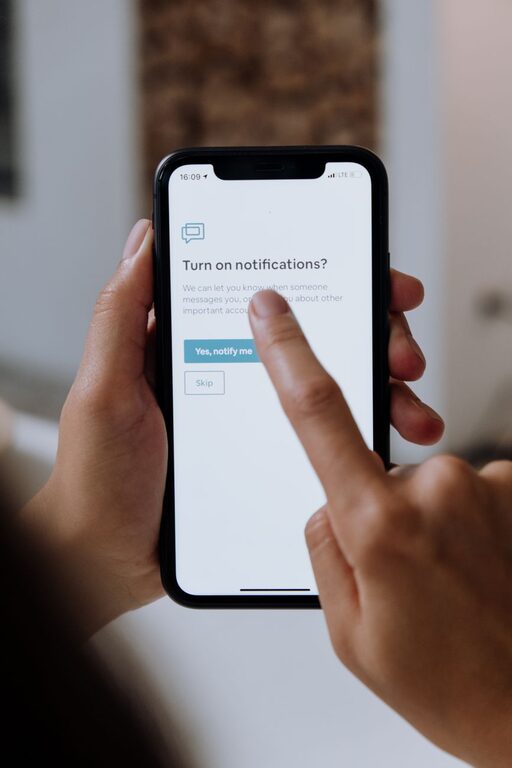

In today’s connected world, smartphones have become an essential part of daily life. They help us stay in touch, access information, and entertain ourselves. However, excessive or unmindful phone use can lead to problems such as distraction, stress, and disrupted sleep. Maintaining healthy phone habits is key to balancing technology with overall wellbeing. This guide covers practical tips and strategies to help you develop a positive relationship with your phone.
Why Healthy Phone Habits Matter
Phones offer many benefits, from communication to convenience. But overuse or constant checking can:
– Decrease productivity and focus
– Interfere with real-life relationships
– Increase feelings of stress or anxiety
– Disrupt sleep patterns due to blue light exposure
Being mindful of how and when you use your phone supports mental clarity, emotional balance, and a more intentional lifestyle.
Tips for Developing Healthy Phone Habits
1. Set Specific Phone-Free Times
Designate daily periods where you avoid phone use completely. Examples include:
– During meals
– The first hour after waking up
– The last hour before going to bed
– Family time or social gatherings
Creating phone-free zones helps you engage more fully with your surroundings and people.
2. Use Do Not Disturb and Notification Controls
Constant notifications can be distracting. Customize your phone’s settings to:
– Silence non-urgent alerts
– Use “Do Not Disturb” mode during work hours or rest
– Limit notifications to important contacts or apps
Reducing interruptions promotes greater concentration and peace of mind.
3. Track and Limit Screen Time
Many smartphones have built-in screen time trackers. Use these tools to:
– Monitor daily and weekly phone usage
– Set app limits or reminders to take breaks
– Identify apps that consume most of your time
Being aware of your usage helps you make intentional choices about how much time to spend on your device.
4. Practice Digital Minimalism
Evaluate which apps and services add value to your life and which create clutter or distraction. Steps include:
– Uninstalling apps you rarely use
– Organizing your home screen with only essential apps
– Avoiding multitasking on the phone, like switching between too many apps
Simplifying your digital environment can reduce stress and improve focus.
5. Create Positive Phone Rituals
Turn phone use into a mindful practice by:
– Starting your day with a moment of reflection, not immediately checking notifications
– Using apps that promote learning or relaxation instead of endless scrolling
– Setting goals for productive phone use, like reading articles or connecting meaningfully
Building positive habits can make phone time more rewarding and less draining.
6. Foster Real-Life Connections
Balance online interactions with face-to-face communication. Try to:
– Prioritize in-person conversations over texting when possible
– Use your phone to arrange meaningful social activities
– Be fully present by putting your phone away during meetups
Real connections are vital for emotional health and happiness.
7. Manage Blue Light Exposure
Blue light from screens can affect sleep quality. To reduce its impact:
– Use night mode or blue light filters in the evening
– Avoid screen time at least 30 minutes before bedtime
– Consider wearing blue light-blocking glasses if you use devices frequently at night
Better sleep supports overall health and mental clarity.
8. Reflect Regularly on Your Phone Use
Schedule weekly check-ins to assess:
– How your phone habits affect your mood and productivity
– Whether you’re meeting your phone-free time goals
– Areas where you can improve balance
Regular reflection keeps you accountable and aware of your digital wellbeing.
Additional Tools and Resources
– Focus Apps: Apps like Forest or StayFocusd help limit distractions.
– Mindfulness Apps: Headspace or Calm encourage mindful phone use.
– Screen Time Settings: Both iOS and Android phones have features to track and restrict usage.
Using supportive tools can make it easier to maintain healthy habits.
Conclusion
Healthy phone habits are essential to ensure that technology enhances rather than hinders your wellbeing. By setting boundaries, managing distractions, and prioritizing real-life connections, you can enjoy the many benefits of smartphones without feeling overwhelmed. Start small, stay consistent, and notice how your relationship with your phone improves your focus, mood, and overall quality of life.
About the Author