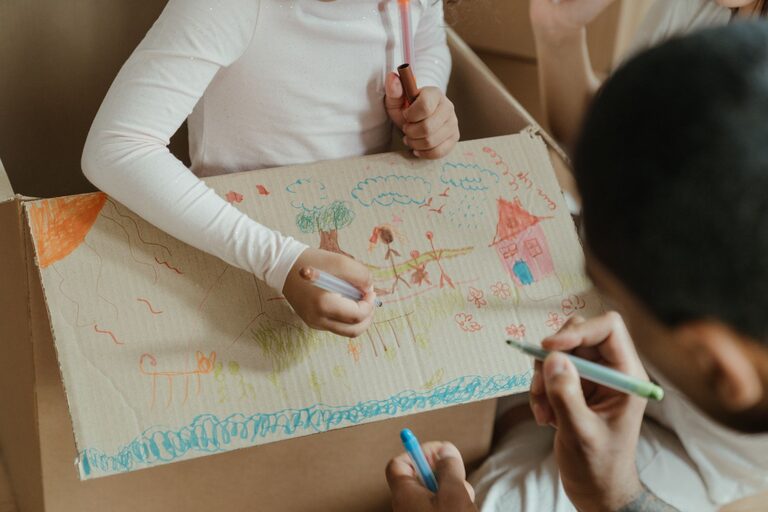
Children’s artwork is a wonderful way to see their creativity and imagination blossom. However, as the drawings, paintings, and crafts pile up, it can quickly become overwhelming for parents to keep everything neat and organized. Finding the right balance between preserving these precious memories and maintaining a clutter-free home can be challenging.
In this post, we’ll explore practical and manageable tips for organizing your kids’ art. From sorting and displaying to storage solutions, these ideas will help you cherish your child’s creations while keeping your space tidy.
Why Organizing Kids’ Art Matters
Before diving into tips, it’s helpful to understand why organizing kids’ artwork is important:
– Preservation: Art projects hold sentimental value and can be wonderful keepsakes.
– Space Management: Without organization, artwork can take over rooms, creating clutter.
– Encouragement: Displaying art makes children feel proud and motivated to create more.
– Easy Access: Well-organized art is easier to revisit and share with family and friends.
With these reasons in mind, let’s look at practical ways to keep artwork in check.
1. Set Up an Art Station
Creating a dedicated space for art supplies and ongoing projects is a great starting point.
– Choose a Spot: Find a corner, table, or shelf specifically for art activities.
– Organize Supplies: Use bins, jars, or drawers for crayons, markers, paints, and paper.
– Encourage Cleanup: Teach kids to put materials back after use, promoting responsibility.
Having a defined art station minimizes mess and keeps tools handy, reducing the likelihood of stray papers getting lost or crumpled.
2. Establish a Sorting Routine
Regularly sorting through your child’s art can prevent buildup.
– Set a Schedule: Dedicate time weekly or monthly to review new artwork.
– Categories: Sort pieces into categories like “Display,” “Store,” and “Recycle.”
– Ask for Input: Involve your child in choosing favorites to keep or display.
This routine helps you decide what to keep long-term and what to let go, making organizing manageable.
3. Use Display Solutions for Rotating Art
Displaying your child’s art shows appreciation and keeps the home lively.
Wall Galleries
– Frame select pieces and hang them in a dedicated area.
– Use clipboards or wire with clips to create a rotating gallery.
– Magnetic boards or cork boards allow easy swapping of art.
Art Display Books
– For a neat look, consider photo books or binders with plastic sleeves to showcase artwork.
– These books can be stored on a shelf and flipped through anytime.
Changing displays regularly keeps the area fresh and gives all pieces time in the spotlight.
4. Digital Archiving for Long-Term Storage
Not every piece can be saved physically, but digital copies preserve memories.
– Take Photos: Capture clear images of artwork before recycling or discarding.
– Organize Digitally: Use folders on your computer or cloud storage to keep images sorted by date or child.
– Create Digital Albums: Use apps or online services to make photo books or slideshows.
Digital archiving saves space and makes sharing art with friends and family simple.
5. Storage Ideas for Physical Artwork
For pieces you want to keep long-term, having proper storage is key.
– Portfolios: Large, flat folders designed for artwork come in handy for flat pieces.
– Storage Bins: Plastic bins or boxes labeled by year or child’s name work well for three-dimensional crafts.
– Filing Cabinets: Use file folders organized by date or theme within a filing cabinet.
Labeling storage containers helps locate specific projects quickly without a big search.
6. Repurpose Artwork Creatively
Turn old or excess art into new items to give them new life:
– Greeting Cards: Cut drawings to size and use as personalized cards for family and friends.
– Gift Wrap: Larger paintings can serve as unique wrapping paper.
– Collage Projects: Combine smaller pieces into larger collages for new displays.
– Decorative Items: Use drawings to cover notebooks or make bookmarks.
Repurposing reduces waste and makes the artwork functional beyond display.
7. Set Limits and Be Selective
It’s important to be realistic about how much artwork you can keep.
– Limit Storage Space: Dedicate a specific bin or drawer; once full, reassess what to retain.
– Quality over Quantity: Focus on pieces that show progress, creativity, or sentimental value.
– Involve Your Child: Teach decision-making by asking which pieces mean the most to them.
Setting boundaries prevents overwhelming clutter and helps teach kids organization skills.
Final Thoughts
Organizing your child’s artwork doesn’t have to be complicated or time-consuming. By establishing a dedicated art station, regularly sorting, creatively displaying, and thoughtfully storing their creations, you can keep their artistic journey visible and organized. Remember to involve your child throughout the process to encourage pride and care for their work.
With these tips, you can preserve precious memories without sacrificing your home’s order. Happy organizing!
About the Author